Suicide and Complicated Grief

March 18, 2024

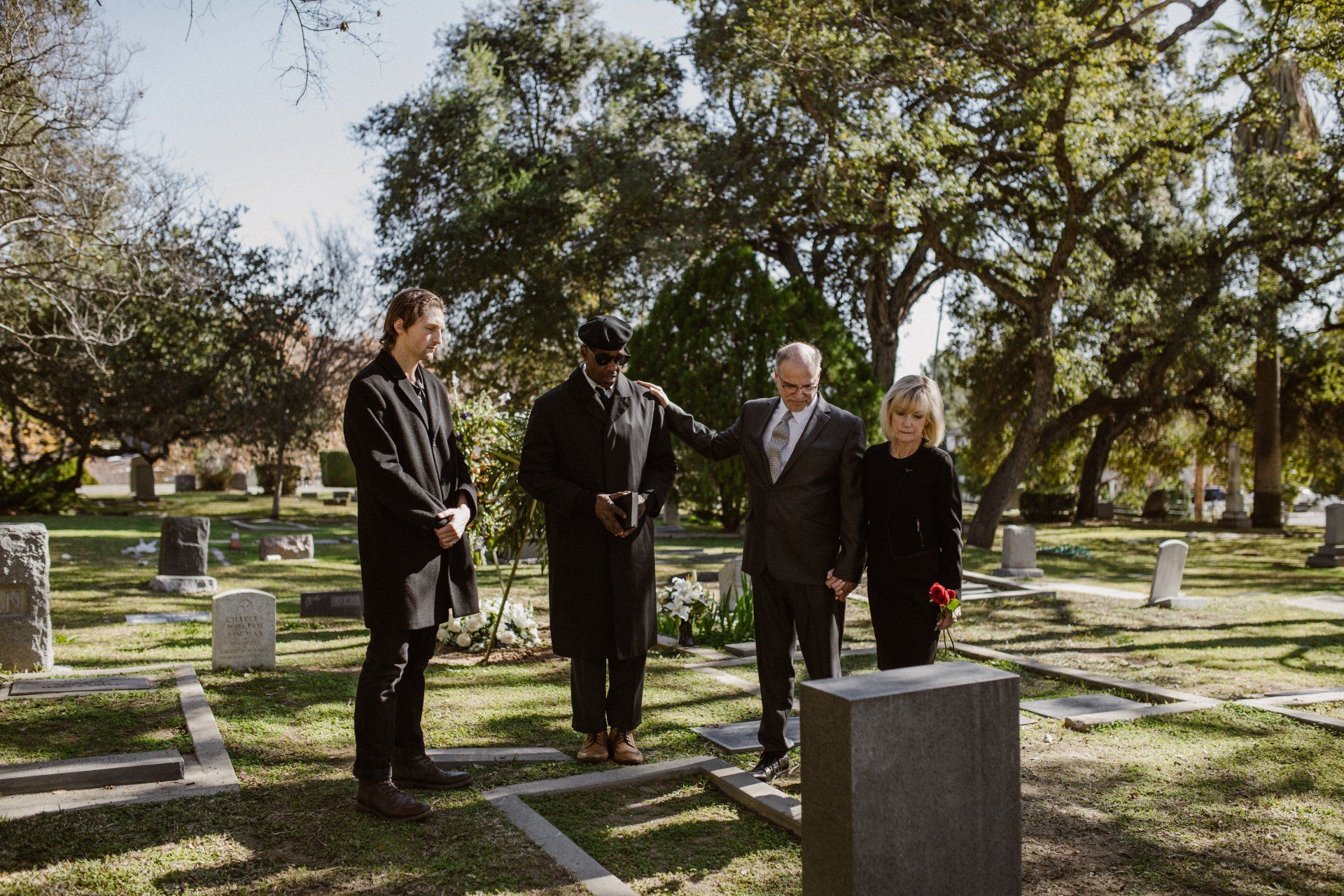
Grief is the universal reaction to the loss of a loved one. Some people, however, find themselves unable to move on from their grief. Instead, their grief turns into a very prolonged, unresolved, and traumatic form of grief called complicated grief.

Grief is the universal reaction to the loss of a loved one.


When a loved one passes away, most people feel acute grief, which is the initial painful grief.


After that, this grief turns into integrated grief, which is an ongoing form of grief but also the period when people start to heal. While this time period is challenging, when it starts to abate most people find themselves finding new strength and wisdom within themselves.


Some people, however, find themselves unable to move on from their grief. Instead, their grief turns into a very prolonged, unresolved, and traumatic form of grief called complicated grief. With complicated grief, feelings of longing don’t go away with time. Your pain stays fresh and you don’t start to heal. It might be said that someone with complicated grief feels "stuck in time.” This is the type of grief that interferes with life and daily activities. This type of grief can also lead to pain so intense that someone may feel like the only possible relief is their own death.


Survivors of suicide (those left behind to mourn the loss) are very likely to feel complicated grief. This is because of the effects of trauma and stigma. Survivors of suicide are more likely to feel emotions such as rejection, blame, and shame compared to other causes of death. It is very common for survivors of suicide to get caught up by feelings that they should have known or should have done something differently to prevent the suicide. It can also be hard to find someone to share your feelings with because you fear judgment and most other people are unlikely to understand what you are going through.


If you find yourself or a loved one experiencing complicated grief know that this is not something that will go away on its own.


One of the most important things you can do if you find yourself feeling complicated grief is to get help. If you can’t talk to a trusted friend or family member, find a support group, doctor or counselor you can talk to who will help you process your grief and find the resources you need.


Here are some other resources:

National Suicide Prevention Hotline – confidential 24/7 support

1-800-273-8255

https://www.suicidepreventionlifeling.org


Veterans Crisis Line – call, chat or text for 24/7 help

1-800-273-8255 EXT 1

https://www.veteranscrisisline.net/get-help/hotline


SAVE: Suicide Awareness Voices of Education – resources and education for survivors

https://www.save.org

Want to Ask a Question?

March 25, 2024
Life's journey is marked by unexpected twists and turns, and with them, our plans and priorities can change. One such plan that often undergoes revision is the choice of a final resting place. Many individuals purchase cemetery plots with the best intentions, but circumstances can evolve, leading to a situation where that plot is no longer needed. Whether it's a shift in burial preferences, relocation, or changes in family dynamics, knowing what steps to take in such a scenario is crucial. In this article, we will explore the compassionate and practical considerations surrounding what to do if you find yourself no longer in need of a cemetery plot you've previously acquired.
March 25, 2024
Losing a loved one is undoubtedly one of life's most challenging experiences. During such a time, the funeral service plays a significant role in helping families cope with their grief and say their final goodbyes. Personalizing a funeral service allows families to create a meaningful and memorable event that reflects the unique personality and life of the deceased.
March 25, 2024
When it comes to expressing condolences and offering comfort to grieving families, few gestures are as universally understood and appreciated as sending flowers to a funeral. In this article, we will offer expert advice and guidance on how to select and send the perfect flowers to a funeral. Whether you're a family member, friend, or colleague, this guide will help you express your sympathy and support in a meaningful way.
March 25, 2024
In our ever-evolving digital world, the way we communicate has transformed drastically. This includes how we offer condolences when someone loses a loved one. Social media platforms have become a common space for expressing sympathy and offering support during times of grief. However, it's essential to do so with care and respect. In this article, we'll delve into the etiquette of sharing condolences on social media.
March 25, 2024
Coping with the loss of a loved one is one of the most challenging and painful experiences a person can endure. Dealing with the death of a family member or close friend can be overwhelming, and the journey of healing is deeply personal. While there is no one-size-fits-all solution to navigating grief, there are small daily steps that can help you cope and gradually find your way towards healing. This article will provide guidance on these daily steps, drawing upon our staff's expertise in funeral services, grief counseling, and compassion for those who are grieving.
March 25, 2024
The process of planning a funeral is undoubtedly challenging, as it involves not only making arrangements for the deceased but also deciding who should attend the service. The guest list is a crucial aspect of any funeral, as it plays a significant role in ensuring that the event is meaningful and provides support to grieving friends and family members.
March 25, 2024
In the wake of a loved one's passing, the process of saying goodbye can be one of the most challenging experiences in life. Besides the grief of losing someone near and dear, loved ones are faced with planning a funeral and burial. Among the many decisions that need to be made, choosing the right headstone is a deeply personal and significant choice.
March 25, 2024
In the solemn and emotionally charged context of a funeral, the question of whether it's a good idea to bring a child is one that many families grapple with. Taking a child to a funeral can teach them about empathy and the importance of supporting loved ones during difficult times, fostering emotional growth and understanding that will serve them throughout life. It also allows them to find closure after the passing of someone close. On the other hand, it may be advisable to avoid taking a child to a funeral if they are too young to understand death or mourn appropriately or if it risks causing distress.
March 25, 2024
Funerals serve to honor the deceased, provide closure, and support grieving individuals. They offer a structured space for emotional expression, memory-sharing, and cultural or religious traditions. Funerals have deep historical roots, originating in ancient civilizations like Egypt and Rome. These rituals evolved to honor and remember the deceased, often with religious or cultural significance. Over centuries, funeral customs adapted, reflecting changing beliefs and attitudes toward death, but the core purpose of paying tribute endures.
March 25, 2024
In the realm of funeral and memorial services, one of the most poignant and personal ways to remember a departed loved one is through memorial jewelry. More than just an accessory, memorial jewelry is a tangible connection to the past and a source of comfort in the present. Join us as we delve into the myriad benefits of memorial jewelry, a cherished companion on the path of remembrance and healing.
More Posts