Embracing Eternal Bonds: The Healing Power of Memorial Jewelry
In the realm of funeral and memorial services, one of the most poignant and personal ways to remember a departed loved one is through memorial jewelry. More than just an accessory, memorial jewelry is a tangible connection to the past and a source of comfort in the present. Join us as we delve into the myriad benefits of memorial jewelry, a cherished companion on the path of remembrance and healing.
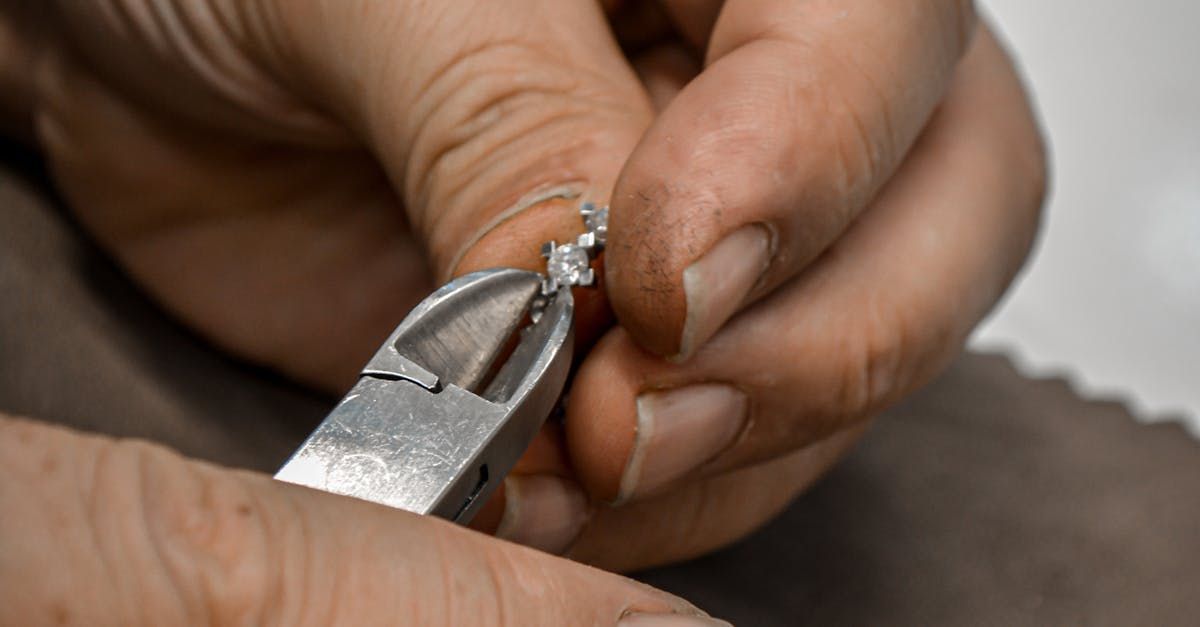
Memorial jewelry is a special type of jewelry designed to commemorate and remember loved ones who have passed away. Whether it's a delicate pendant containing a small portion of ashes, a custom-made bracelet with a fingerprint impression, or a symbolic piece adorned with meaningful symbols, memorial jewelry allows us to carry the memory of our loved ones with us wherever we go. It serves as a daily reminder of the enduring bonds we share, fostering comfort, solace, and a sense of continuity.
The origins of memorial jewelry are ancient, spanning diverse cultures and time periods. From ancient Rome and Egypt, where locks of hair were worn as sentimental tokens, to the Victorian era's mourning jewelry featuring hair, ashes, or bone, the practice has deep historical roots. Memento Mori jewelry featuring images of skulls, skeletons, or related symbols of death in the Renaissance and Baroque eras symbolized mortality. Indigenous cultures, like Native American tribes, have traditions of using hair or bone in jewelry. Today, modern cremation jewelry continues this tradition, offering people a personal and meaningful way to remember and honor their loved ones.
Let's delve into the contemporary advantages that make it such a cherished and meaningful way to honor and remember our loved ones.
A Lasting Physical Connection:
Memorial jewelry containing cremated remains offers a tangible link to the departed. For grieving individuals, having a small portion of their loved one's ashes encased in a pendant, ring, or bracelet provides a comforting physical connection. It allows them to keep their loved one close, fostering a sense of nearness and continuity.
Personalized and Meaningful:
Cremation jewelry can be customized to reflect the unique personality and interests of the deceased. Whether it's a beautifully crafted necklace with a pendant in the shape of a musical note for a musician or a heart-shaped locket for someone deeply loved, these pieces can be tailored to be as unique as the individual they honor.
Portability and Discretion:
Memorial jewelry is discreet and portable, allowing individuals to carry their loved one's memory wherever they go. Unlike traditional urns or memorial objects, these jewelry pieces can be worn daily or on special occasions, making it easier to cope with grief during everyday life.
Variety of Designs:
The world of memorial jewelry offers a vast array of designs to choose from. Whether one prefers a subtle and elegant design or a more elaborate and ornate style, there is something for everyone. This diversity ensures that individuals can find the perfect piece to honor their loved one's memory.
A Timeless Keepsake:
Cremated remains are a lasting memorial, and memorial jewelry serves as a timeless keepsake. It can be passed down through generations, ensuring that the memory of the departed lives on and continues to be cherished by family and loved ones.
Emotional Expression:
Grief can be difficult to express in words. Memorial jewelry serves as a silent yet powerful expression of love, remembrance, and the enduring bond between the individual and their departed loved one.
Connection to Memories: Each time an individual looks at or touches their memorial jewelry, it can trigger cherished memories of the person they have lost. These reminders can provide a sense of continuity and help keep the memories alive.
Strengthening Bonds: Memorial jewelry can also serve as a way to strengthen bonds within a family or among friends. Sharing the experience of wearing or displaying such jewelry can create a sense of community and support among those who have experienced the same loss.
Portability and Accessibility: Unlike larger memorial objects or urns, memorial jewelry is portable and accessible. This means that individuals can carry it with them wherever they go, ensuring that their loved one is always close by, even during everyday activities.
Symbol of Hope: For some, memorial jewelry can symbolize the hope that life goes on, even in the face of loss. It can be a reminder that while the physical presence of the loved one may be gone, their spirit lives on in the hearts and memories of those left behind.
Memorial jewelry is a deeply personal and meaningful way to honor and remember a loved one. Whether it incorporates cremated remains, fingerprint impressions, or a simply a beautiful design that sparks past memories, memorial jewelry offers a lasting connection and source of comfort for those navigating the complex terrain of grief.
Memorial jewelry comes in a variety of forms, each designed to cater to different preferences and styles. Here are some of the most common kinds:
Cremation Pendants and Necklaces:
These are perhaps the most popular and versatile forms of memorial jewelry. Cremation pendants are typically designed with a small compartment to hold a tiny amount of cremated remains, a lock of hair, or other memorial materials. They come in a wide range of styles, from simple and elegant to ornate and personalized, and can be worn close to the heart.
Memorial Rings:
Memorial rings often feature a discreet compartment that can hold a small memorial element. These rings can be worn as a daily reminder of the departed loved one.
Memorial Bracelets:
Bracelets may incorporate a small chamber, often in the form of a charm or locket, for holding memorial materials. They offer a comfortable and customizable way to keep a loved one's memory close.
Memorial Earrings:
Earrings with tiny compartments are available for those who prefer a more subtle way to remember their loved ones. These can be a discreet yet meaningful choice.
Memorial Watches:
Some watches are designed with a compartment on the back where a small amount of ashes or other memorabilia can be placed. They combine functionality with remembrance.
Memorial Keychains:
Keychains are practical and can be personalized with memorial elements. They serve as a daily reminder of the departed when used for keys or attached to bags.
Memorial Brooches and Pins:
Brooches and pins can be worn on clothing or accessories and may contain a hidden compartment for memorial materials. They offer a unique way to remember a loved one.
Glass and Resin Jewelry:
Some artisans create glass or resin jewelry that incorporates cremated remains or other memorial elements, such as flowers or small mementos. These pieces are visually stunning and can be customized with various colors and designs.
Fingerprint and Handwriting Jewelry:
Jewelry can be customized with the fingerprint or handwriting of the departed. These personalized touches add a deeply sentimental and unique aspect to memorial jewelry.
Custom and Artisanal Pieces:
Many artisans specialize in creating custom memorial jewelry. They can work closely with individuals to design one-of-a-kind pieces that reflect the personality and interests of the deceased.
Religious and Symbolic Jewelry:
Some people choose memorial jewelry that incorporates religious symbols or meaningful symbols, such as crosses, angels, hearts, or doves, to represent their faith or the memory of their loved one.
Birthstone Jewelry:
Birthstone jewelry can be customized with the birthstone of the departed or other gemstones that hold special significance.
It's essential to note that the choice of memorial jewelry is highly personal. People can select the type and style that resonates most with their preferences and serves as a fitting tribute to their loved one. The diversity of options available ensures that individuals can find a piece that speaks to their heart and helps them keep their loved one's memory alive in a meaningful way.
Memorial jewelry offers a profound and deeply personal way to honor and remember our departed loved ones. In times of loss, when words often fall short, memorial jewelry becomes a silent yet eloquent expression of love and remembrance. It is a testament to the enduring connection we share with those we have lost, and it ensures that their memory lives on in our hearts, beautifully and eternally.
May the diverse options in memorial jewelry continue to offer comfort, healing, and solace to those who seek to cherish the memories of their loved ones in a tangible and heartfelt way.
Want to Ask a Question?