The Significance of Funerals: Honoring Deceased Loved Ones
Funerals serve to honor the deceased, provide closure, and support grieving individuals. They offer a structured space for emotional expression, memory-sharing, and cultural or religious traditions. Funerals have deep historical roots, originating in ancient civilizations like Egypt and Rome. These rituals evolved to honor and remember the deceased, often with religious or cultural significance. Over centuries, funeral customs adapted, reflecting changing beliefs and attitudes toward death, but the core purpose of paying tribute endures.
Providing Closure
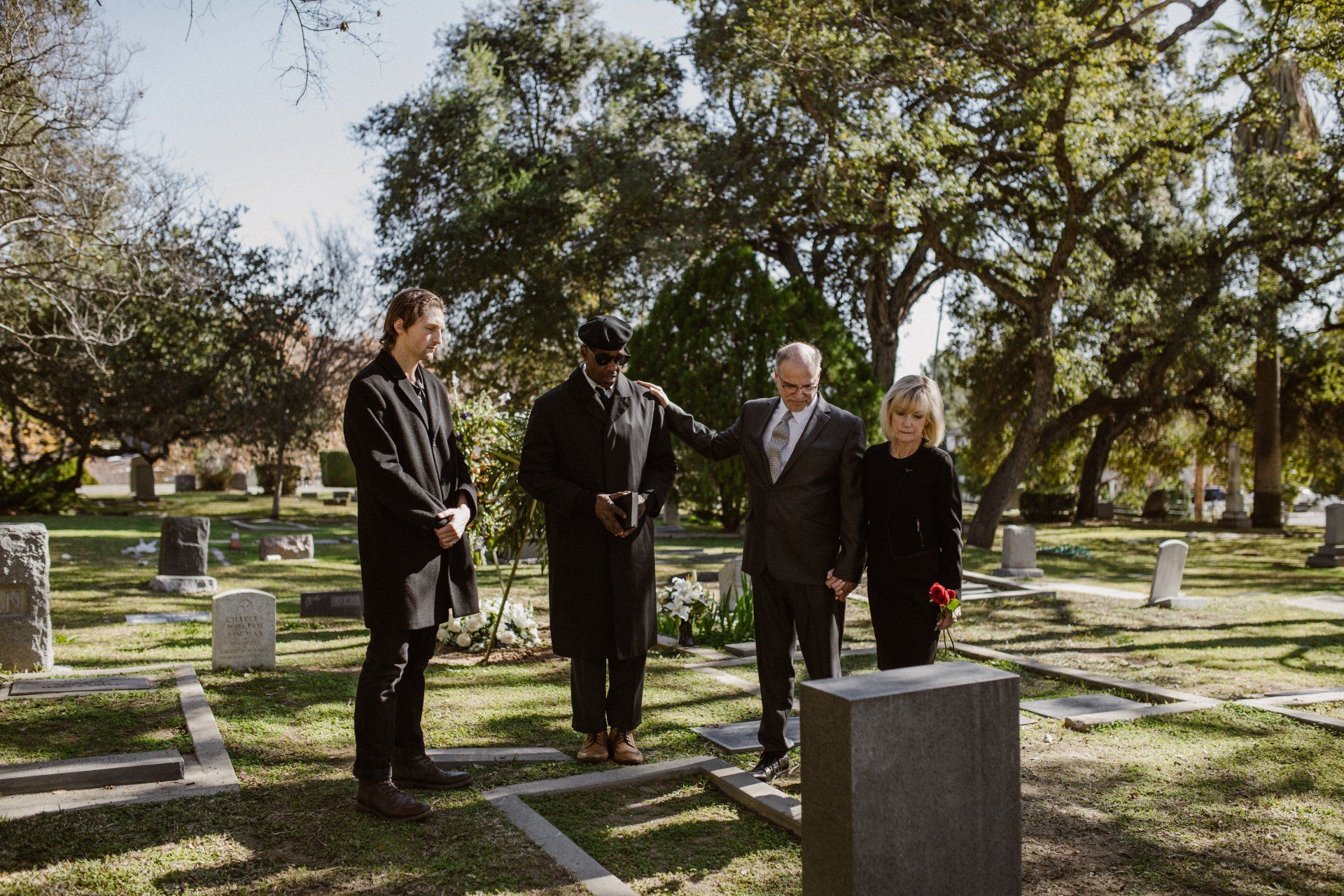
A funeral offers a platform for family and friends to come together and say their final goodbyes. It marks the end of a chapter and provides a sense of closure, allowing individuals to begin the process of healing. Funerals help bring acknowledgment to the reality of death, making it easier for mourners to accept the loss and move forward.
Without a formal funeral, individuals and families may struggle to find closure. The absence of a structured event to mark the end of a person's life can make it challenging to accept the reality of their death.
Honoring and Remembering
Funerals are a way to celebrate the life of the departed and remember the impact they had on those around them. It's an opportunity to share stories, anecdotes, and memories, ensuring that the person's legacy lives on. Not having a funeral may mean missing out on the opportunity to ensure that the person's legacy is cherished and remembered.
Providing Support
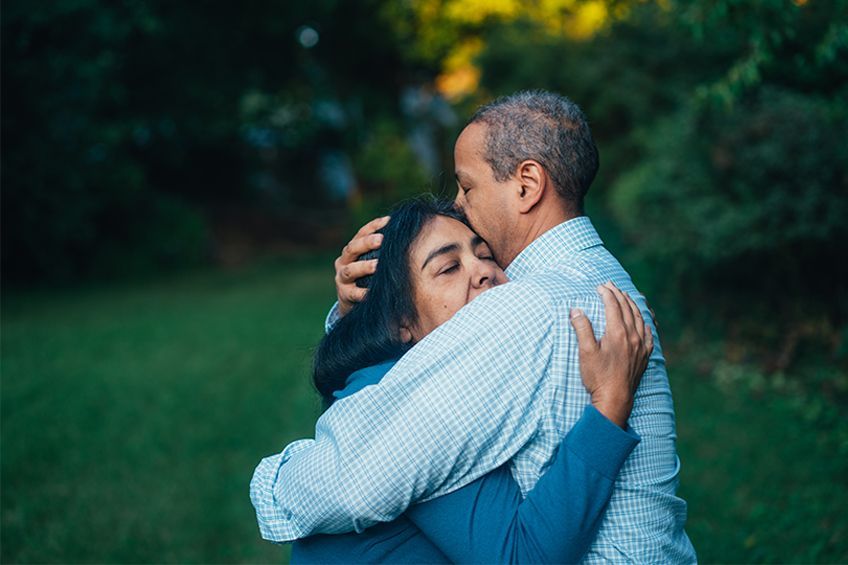
Grief can be an overwhelming and isolating experience, but a funeral brings people together in their shared sorrow. It creates a support network for those in mourning, allowing them to lean on each other for comfort and understanding. Without a funeral, individuals may miss out on the emotional support and comfort that comes from being surrounded by family and friends during a difficult time.
Facilitating Expression of Grief
Funerals provide a safe and structured environment for people to express their grief openly. Crying, sharing memories, and offering condolences are all essential components of the grieving process. By attending a funeral, individuals can find solace in knowing that their emotions are valid and shared by others. Without this outlet, individuals may suppress their emotions, leading to unresolved grief that can have long-term emotional and psychological effects.
Acknowledging Cultural and Religious Traditions
Different cultures and religions have unique customs and traditions associated with death and funerals. Many cemeteries and funeral homes specialize in catering to families of specific religions or cultures. Families can collaborate with the Funeral Director to ensure that the funeral service respects and incorporates the specific beliefs and rituals of the deceased and their family. This cultural sensitivity is crucial in honoring the person's heritage and spirituality.
In modern times, diversity of faith and culture is increasingly common within families. In some cases, not having a funeral may go against the cultural or religious beliefs and traditions of the deceased or their loved ones – or it may deny some family members the opportunity to honor the deceased in a way that is meaningful to them. This could lead to a sense of cultural or spiritual disconnection and conflict.
Legal and Practical Necessities
Funerals also serve practical purposes. Funeral homes ensure that all legal requirements related to the disposition of the deceased are met. This includes obtaining necessary permits, complying with state regulations, and overseeing the burial or cremation process. Not having a funeral can lead to potential legal and practical issues. It may result in delays or complications related to the disposition of the deceased, including obtaining necessary permits.
Encouraging Conversation
The topic of death is often avoided in our society, leading to a lack of understanding about how to cope with loss. Funerals, by their nature, encourage open conversations about death and the emotions it evokes. This dialogue can help reduce the stigma surrounding grief and create a more supportive and empathetic community.
Funerals provide closure, honor the deceased, offer support, and facilitate healthy grieving. They also ensure legal compliance and promote cultural and religious traditions. Ultimately, a well-planned and thoughtful funeral service can make a significant difference in helping individuals.
Want to Ask a Question?