Crafting a Unique Farewell: Personalizing Funeral Services
Losing a loved one is undoubtedly one of life's most challenging experiences. During such a time, the funeral service plays a significant role in helping families cope with their grief and say their final goodbyes. Personalizing a funeral service allows families to create a meaningful and memorable event that reflects the unique personality and life of the deceased.
Pre-Planning and Discussion
The process of personalization should ideally start before the need for a funeral arises. We recommend that families discuss their wishes and preferences with their loved ones well in advance. These conversations can help ensure that the funeral reflects the person's personality and values.
Choosing the Right Venue
The choice of venue can greatly influence the tone and atmosphere of the funeral service. Families can consider non-traditional venues like a favorite park, beach, or even the deceased's home. These unique settings can provide a more intimate and personalized environment for the gathering.
Customize the Ceremony
Customizing a funeral ceremony is a meaningful way to honor the unique life and personality of the deceased. Here are a few simple details you can incorporate into the ceremony that will allow the funeral to reflect your loved one's individuality and celebrate their memory:
- Music: Music holds a special place in many people's hearts. Selecting songs that were meaningful to the deceased or that convey their personality can add a personal touch. Live performances by a local musician or a choir can also be considered.
- Readings and Eulogies: Encourage family members and friends to share their memories through readings and eulogies. This not only honors the deceased but also helps in the grieving process.
- Visual Elements: Incorporating visual elements like a photo slideshow or a video montage can provide a visual representation of the person's life journey.
Unique Rituals and Traditions
Understanding and respecting the cultural and religious traditions of the deceased is vital. Incorporating these customs into the service can provide a sense of continuity and comfort to the family and attendees.
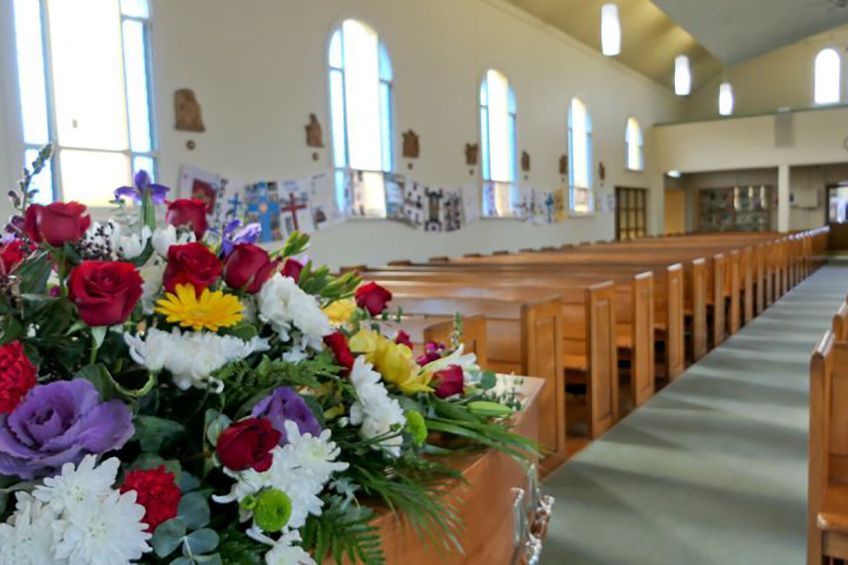
For those with religious backgrounds, you can host traditional religious services at a place of worship. These services often include readings from sacred texts, prayers, hymns, and sermons delivered by a religious leader. Consider consulting with clergy, priests, ministers, or spiritual leaders from their faith. They can guide you on appropriate rituals, prayers, and customs.
If the deceased was not religious, a candle-lighting ceremony is another way to infuse spiritual traditions into the ceremony. Lighting candles in memory of the deceased is a common and meaningful tradition in many cultures and religions. Each candle may symbolize a different aspect of the person's life or be lit by a family member or friend.
Personalized Funeral Programs
Designing personalized funeral programs with photos, quotes, and anecdotes can serve as a lasting keepsake for attendees. These programs can include a brief biography, a timeline of the deceased's life, and details about the service.
Memorial Table
Create a memorial table with mementos, personal items, and photos that represent the deceased's hobbies, interests, and accomplishments. This can serve as a focal point for attendees to reminisce and pay their respects.
Personalized Casket or Urn
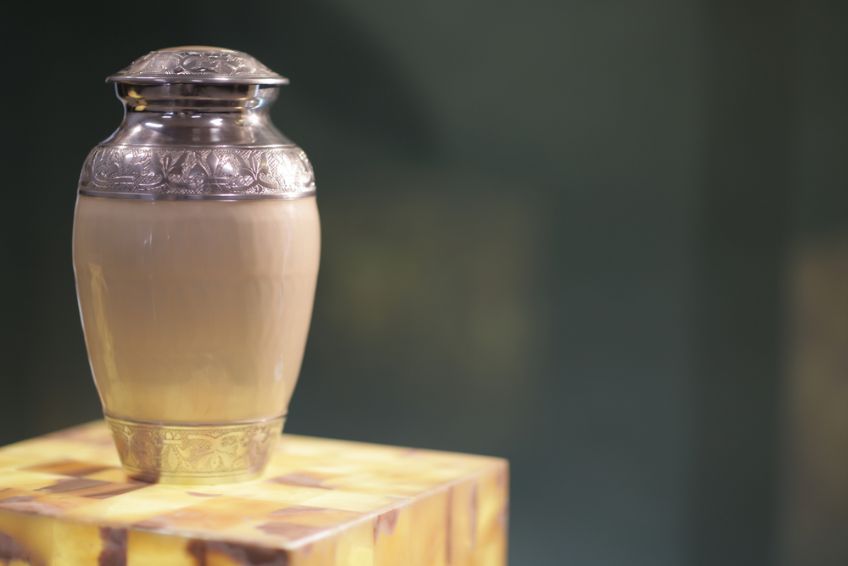
In cases of burial or cremation, families can opt for customized caskets or urns that reflect the personality and passions of the deceased. For a casket, choose one with customization options such as engravings, designs, or themed panels that reflect the person's passions. For an urn, opt for materials, colors, or shapes that resonate with the individual. Collaborate with a funeral director to ensure personalization details are implemented while adhering to any necessary regulations and requirements.
Release of Balloons, Doves, or Lanterns
A symbolic release of balloons, doves, or lanterns at the end of the service can be a beautiful way to symbolize the release of the spirit and provide closure for attendees.
Charitable Contributions
In lieu of flowers, families can suggest charitable donations in the name of the deceased to a cause or organization that was close to their heart. This not only honors the person but also contributes to a meaningful cause.
Celebration of Life Reception
Following the funeral service, consider hosting a celebration of life reception. This provides an opportunity for attendees to share stories and memories and support each other in a more relaxed and informal setting.
A celebration of life reception is a gathering held after a funeral or memorial service to honor the life of the deceased in a positive and informal manner. Unlike traditional gatherings, it emphasizes celebrating the person's accomplishments, joyous memories, and the impact they had on others. Attendees share stories, view photo displays, enjoy music, and often partake in refreshments. This event aims to create a warm, uplifting atmosphere where friends and family can find comfort, connection, and inspiration.
Personalized Thank-You Cards
After the funeral, sending personalized thank-you cards to attendees who showed support can be a meaningful gesture. It acknowledges their presence and contributions to the healing process.
Professional Guidance
Funeral directors can provide invaluable assistance in implementing these personalization ideas, ensuring that all legal requirements are met, and offering emotional support to grieving families.
Personalizing a funeral service is a powerful way to celebrate the life of a loved one and provide closure to those left behind. By considering the unique qualities, interests, and values of the deceased, families can create a meaningful and personalized tribute that truly reflects their loved one's legacy.
Want to Ask a Question?