Selecting the Perfect Headstone: A Guide to Honoring Your Loved One
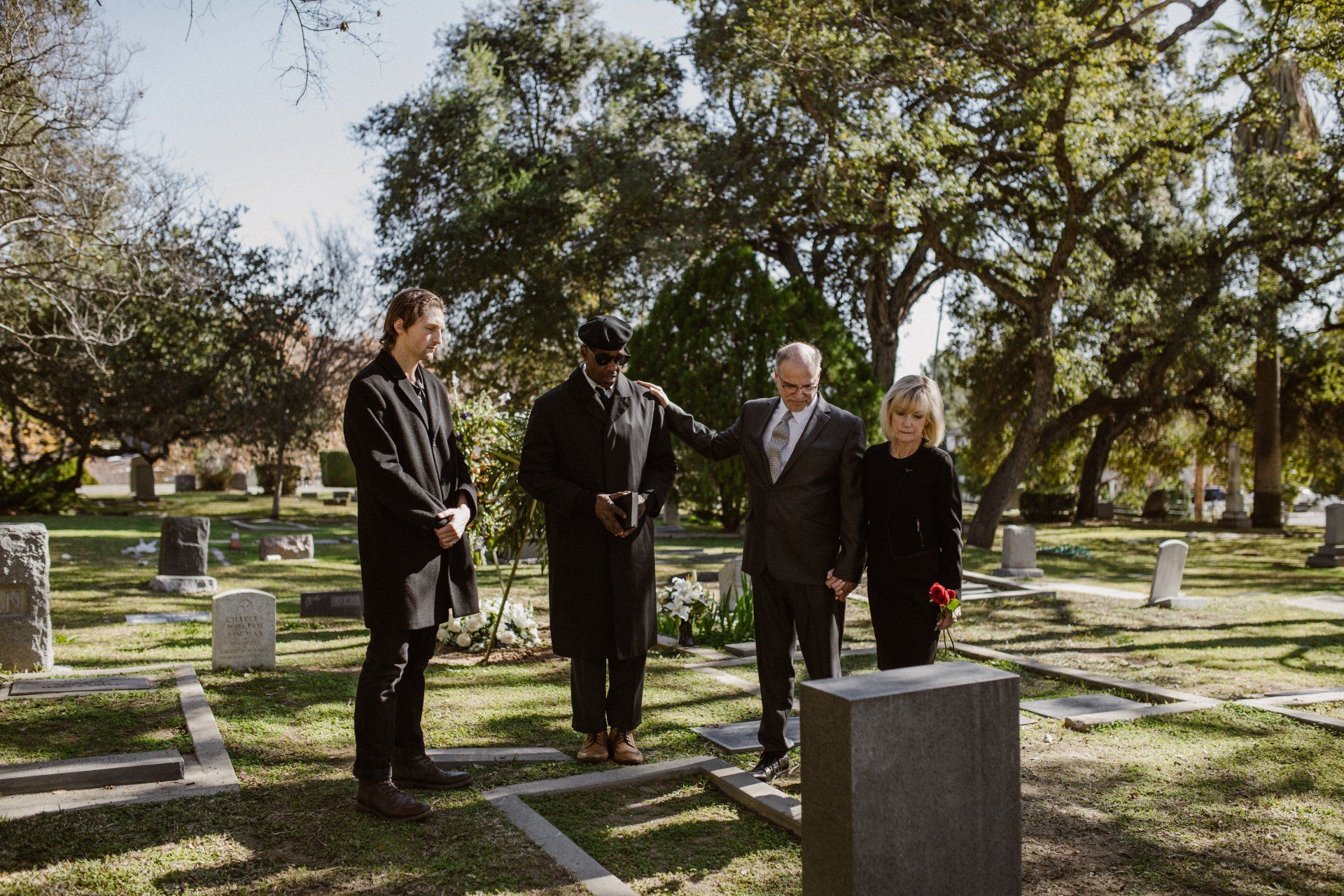
In the wake of a loved one's passing, the process of saying goodbye can be one of the most challenging experiences in life. Besides the grief of losing someone near and dear, loved ones are faced with planning a funeral and burial. Among the many decisions that need to be made, choosing the right headstone is a deeply personal and significant choice.
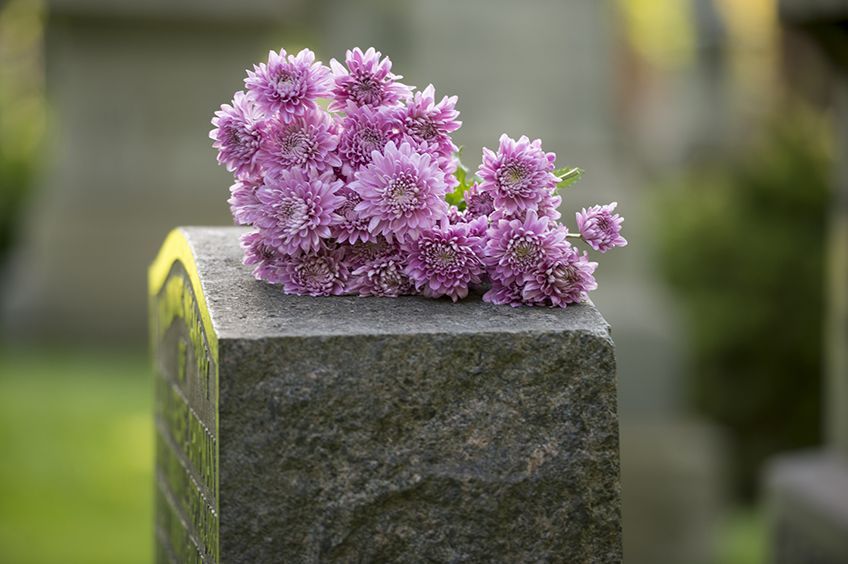
A headstone, also known as a gravestone or tombstone, is a marker placed at the burial site of a deceased individual. Its primary purpose is to memorialize the person's life, providing a lasting tribute and a place for loved ones to visit and pay their respects. Selecting the right headstone is a way to ensure that your loved one's memory is preserved with dignity and respect.
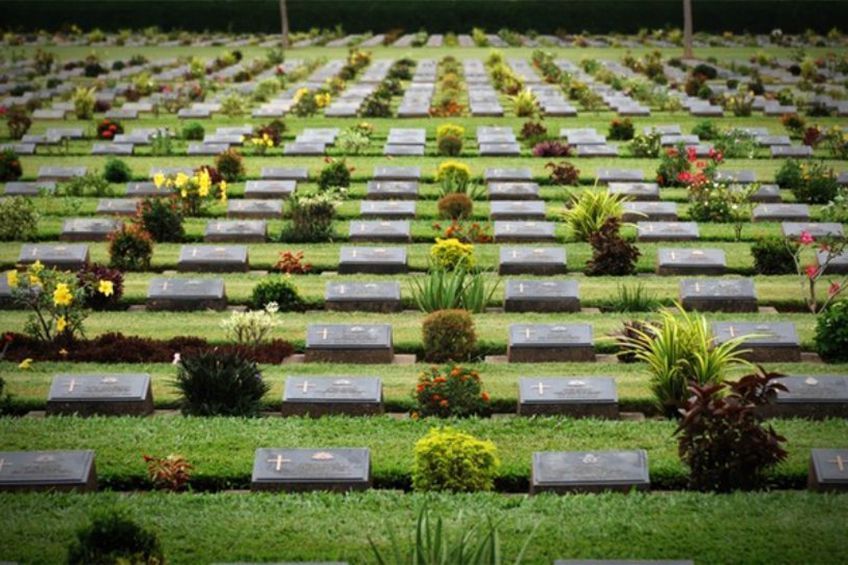
Before diving into the specifics of headstone selection, it's essential to understand that cemeteries often have regulations and guidelines regarding the size, shape, and materials of headstones. These regulations can vary from one cemetery to another, and it's crucial to familiarize yourself with them.
Some cemeteries have strict rules about the type of headstones allowed, while others are more flexible. Additionally, certain religious or cultural cemeteries may have specific requirements. Ensure that you check with the cemetery administration to understand their regulations before making any decisions.
Headstones are available in various materials, each with its unique characteristics. The choice of material often depends on personal preferences, budget, and cemetery regulations. Here are some common materials for headstones:
- Granite: Granite is a popular choice due to its durability and versatility. It comes in a wide range of colors and can be polished to a high shine or left with a matte finish. Granite headstones are known for their longevity and resistance to weathering.
- Marble: Marble is a classic and elegant option. It has a smooth, white surface that lends itself well to intricate engravings. However, marble is softer than granite and may require more maintenance over time.
- Bronze: Bronze headstones are known for their timeless beauty and are often used in conjunction with granite bases. They can be customized with intricate designs and text. Bronze is a durable material that develops a unique patina over time.
- Slate: Slate headstones have a distinctive, natural appearance and are often chosen for their rustic charm. They can be engraved or etched with personal details and are suitable for a variety of styles.
- Sandstone: Sandstone headstones offer a warm and inviting look. They can be carved with intricate details and are relatively easy to work with. However, sandstone may weather faster than some other materials.
- Limestone: Limestone is a natural stone with a soft, creamy appearance. It can be carved with fine details but may require more maintenance to preserve its beauty.
When selecting the material for your loved one's headstone, consider factors such as aesthetic appeal, durability, and budget. Remember that the material choice will influence the design possibilities.
Taking the time to design a meaningful and personalized memorial for a departed loved one is a challenging but rewarding process. There are so many options and limited time to choose which one will be used - but a beautiful and meaningful monument serves as a lasting tribute to your loved one's memory and a place for remembrance and reflection where you and other loved ones can find comfort and solace. Keep in mind that the design may need to adhere to cemetery regulations. Here are some aspects to consider when designing the headstone:
- Shape and Size: The shape and size of the headstone can vary widely. Common shapes include rectangles, hearts, crosses, and custom designs. Ensure that the chosen shape and size fit within the cemetery's regulations.
- Engravings: Engravings on the headstone are a meaningful way to convey information and sentiments. They can include the individual's name, birth and death dates, a brief epitaph, and even custom artwork or symbols that hold significance to the person's life.
- Embellishments: Consider adding embellishments such as religious symbols, flowers, or other meaningful elements. These can enhance the overall design and convey a deeper sense of the person's life and beliefs.
- Color and Finish: The choice of color and finish can significantly impact the headstone's appearance. Granite, for example, comes in various colors, while bronze develops a unique patina over time. Choose colors and finishes that resonate with your loved one's personality and preferences.
- Customization: Many companies offer the option for custom-designed headstones. This allows you to create a one-of-a-kind memorial that truly reflects your loved one's life and legacy.
- Inscription Font: The font used for inscriptions can convey a certain mood or style. Consider the readability and aesthetics of different fonts when making your selection.
Personalization is key to creating a meaningful headstone. Take the time to think about the unique qualities and interests of your loved one. Incorporate elements that hold special meaning, such as hobbies, achievements, or favorite quotes.
Symbols and motifs can also be powerful additions to the headstone's design. These can include religious symbols, cultural icons, or representations of the person's passions. Such symbols can provide comfort and serve as a reminder of the person's life and values.
It's essential to establish a budget for the headstone, taking into account not only the cost of the stone itself but also any additional fees for engraving, delivery, and installation. Understand that financial considerations can add to the stress of the decision-making process during a difficult time.
Discuss your budget with the memorial provider, and they can help you explore options that fit within your financial constraints. Keep in mind that some materials and designs may be more affordable than others.
When selecting a headstone, prioritize quality craftsmanship. High-quality materials and skilled craftsmanship are essential to ensure the headstone stands the test of time. A well-crafted headstone will maintain its beauty and durability for generations to come, ensuring that your loved one's memory is preserved with the utmost respect and care.
Once the headstone is in place, it's important to establish a routine for its maintenance and care. Regular cleaning and upkeep will help preserve its appearance and integrity. Here are some tips for maintaining a headstone:
- Cleaning: Use a soft brush, mild detergent, and water to gently clean the headstone's surface. Avoid abrasive materials that could scratch or damage the stone.
- Weed Control: Keep the area around the headstone clear of weeds and overgrowth. Over time, vegetation can cause damage to the stone.
- Inspect for Damage: Regularly inspect the headstone for any signs of damage, such as cracks or chips. Address any issues promptly to prevent further deterioration.
- Seasonal Considerations: Depending on the climate in your area, consider seasonal maintenance. In colder regions, be mindful of freeze-thaw cycles that can affect the stone.
Selecting the right headstone is a deeply personal and significant decision in the journey of saying farewell to a loved one. Though it can be an intimidating process, taking the time to consider cemetery regulations, material choices, personalization, and budget constraints and navigate these factors effectively will ensure your loved one receives a unique and meaningful monument. A well-chosen headstone not only honors the departed but also provides a lasting place for remembrance, ensuring that their memory is preserved with dignity and care for generations to come. It's a meaningful way to pay tribute to a life well-lived and offer solace to those left behind during their grieving process.
Want to Ask a Question?