Taking a Child to a Funeral: Considerations and Insights
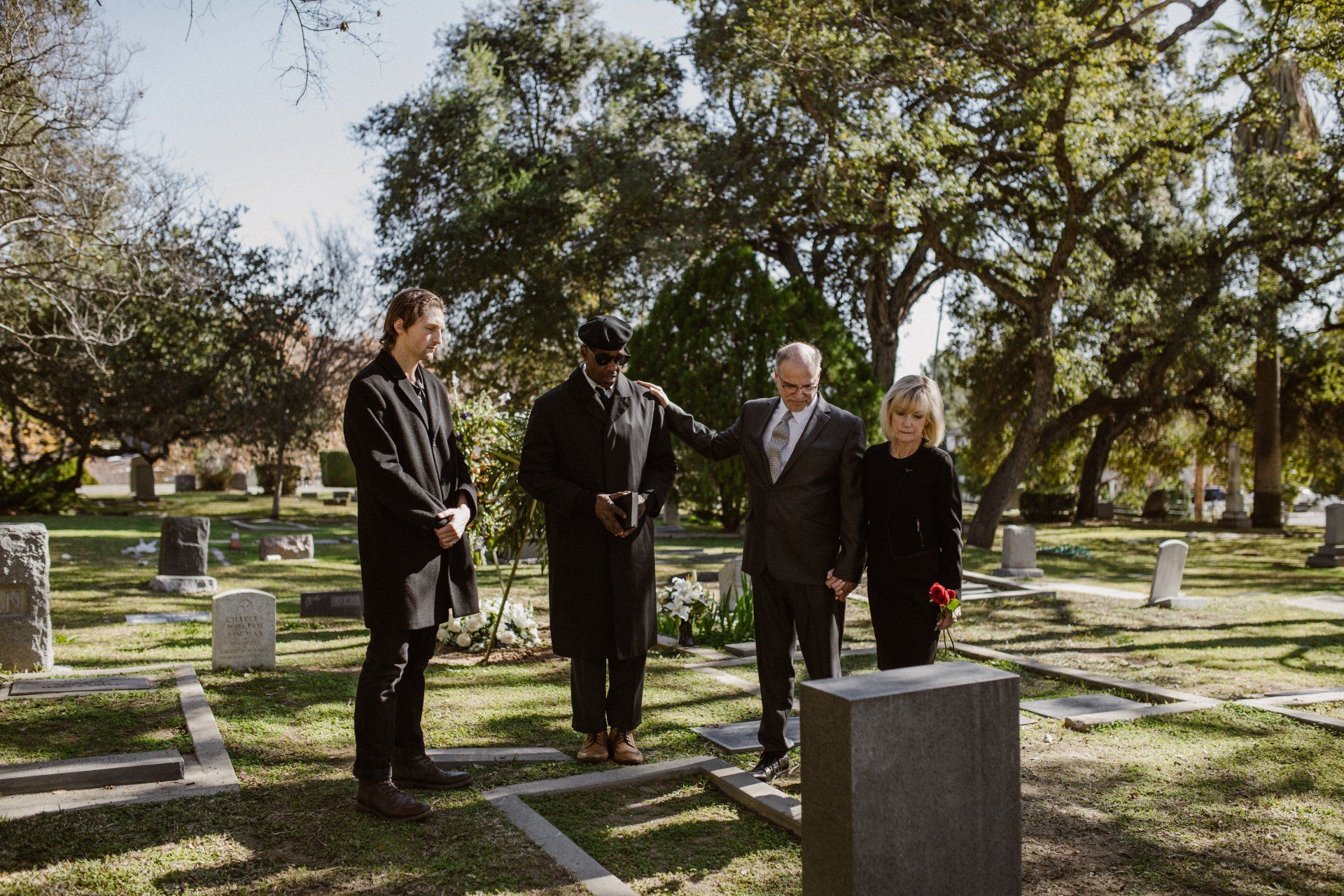
In the solemn and emotionally charged context of a funeral, the question of whether it's a good idea to bring a child is one that many families grapple with. Taking a child to a funeral can teach them about empathy and the importance of supporting loved ones during difficult times, fostering emotional growth and understanding that will serve them throughout life. It also allows them to find closure after the passing of someone close. On the other hand, it may be advisable to avoid taking a child to a funeral if they are too young to understand death or mourn appropriately or if it risks causing distress.

Understanding the Importance of Inclusivity
Funerals are deeply personal events that serve as a way for family and friends to come together to remember and honor the life of the deceased. They provide a space for mourning, reflection, and closure. When deciding whether to bring a child to a funeral, it's essential to consider the family's unique circumstances, values, and cultural background.
Age and Maturity Matter
One of the critical factors in determining whether to bring a child to a funeral is the child's age and level of maturity. Young children, especially those under the age of 5 or 6, may have difficulty comprehending the concept of death and the emotions that come with it. They may also struggle to sit quietly and engage respectfully during the service.
For very young children, it may be advisable to arrange alternative childcare during the funeral service. This can allow the parents or caregivers to participate fully in the service without the added responsibility of managing a child's needs.
Preparing the Child
If you decide to bring a child to a funeral, it's crucial to prepare them for what to expect. Use age-appropriate language to explain the purpose of the funeral and the fact that people will be sad because someone they love has passed away. Reassure the child that it's okay to have feelings and questions and that you'll be there to support them.
Consider showing them a picture of the deceased before the service and explaining who the person was and their relationship to the child. This can help the child feel more connected to the event.
Choosing the Right Funeral Service
The type of funeral service you're planning can also influence whether it's suitable to bring a child. Some funerals are more formal and somber, while others may be more celebratory and uplifting. Discuss with the funeral director about the tone and atmosphere of the service to determine if it aligns with what you believe is appropriate for your child to experience.
Providing Support and Comfort
If you choose to bring a child to a funeral, ensure that there is a plan in place to provide them with emotional support. This may involve having a trusted family member or friend assigned to sit with the child, answer their questions, and offer reassurance.
Cultural and Religious Considerations
Different cultures and religions have unique customs and traditions when it comes to funerals. In some cultures, it is common for children to be an integral part of the funeral process, while in others, children may be shielded from the experience. It's essential to respect and honor your cultural and religious beliefs when making this decision.
Consult with a religious leader or cultural advisor if you are unsure about the appropriateness of including children in a particular type of funeral service.
Addressing Concerns and Questions
It's natural for children to have questions and concerns about death, funerals, and the emotions they are witnessing in adults. Be prepared to have open and honest conversations with your child about these topics. Reiterate that it's okay to feel a range of emotions and that grieving is a healthy part of the healing process.
Remember that clear and age-appropriate explanations can help children feel more at ease and less anxious about the funeral experience.
Alternatives to Attending the Service
In some cases, families may decide that it's best for the child not to attend the actual funeral service but still want to involve them in the mourning process.
There are alternative ways to include children in honoring the deceased. These can include:
- Memorial Activities: Plan memorial activities at home or in a familiar setting where the child can participate, such as lighting a candle, creating artwork, or planting a memorial tree.
- Private Farewell: Arrange a private farewell for the child to say goodbye to the deceased in a more intimate and less formal setting.
- Educational Resources: Utilize books, videos, and other educational resources designed to help children understand death and the grieving process.
- Therapeutic Support: If the child is struggling with grief, consider seeking the help of a grief counselor or therapist who specializes in working with children.
In the end, whether to take a child to a funeral is a deeply personal decision that depends on various factors, including the child's age and maturity, the type of funeral service, cultural and religious beliefs, and the family's unique circumstances. What's most important is that you consider what is in the best interest of the child's emotional well-being and comfort. Ultimately, the goal is to create an environment that allows everyone to grieve, remember, and find solace in their own way.
Want to Ask a Question?