Choosing the Right Guests: Who Should Be Invited to a Funeral?
The process of planning a funeral is undoubtedly challenging, as it involves not only making arrangements for the deceased but also deciding who should attend the service. The guest list is a crucial aspect of any funeral, as it plays a significant role in ensuring that the event is meaningful and provides support to grieving friends and family members.
Immediate Family
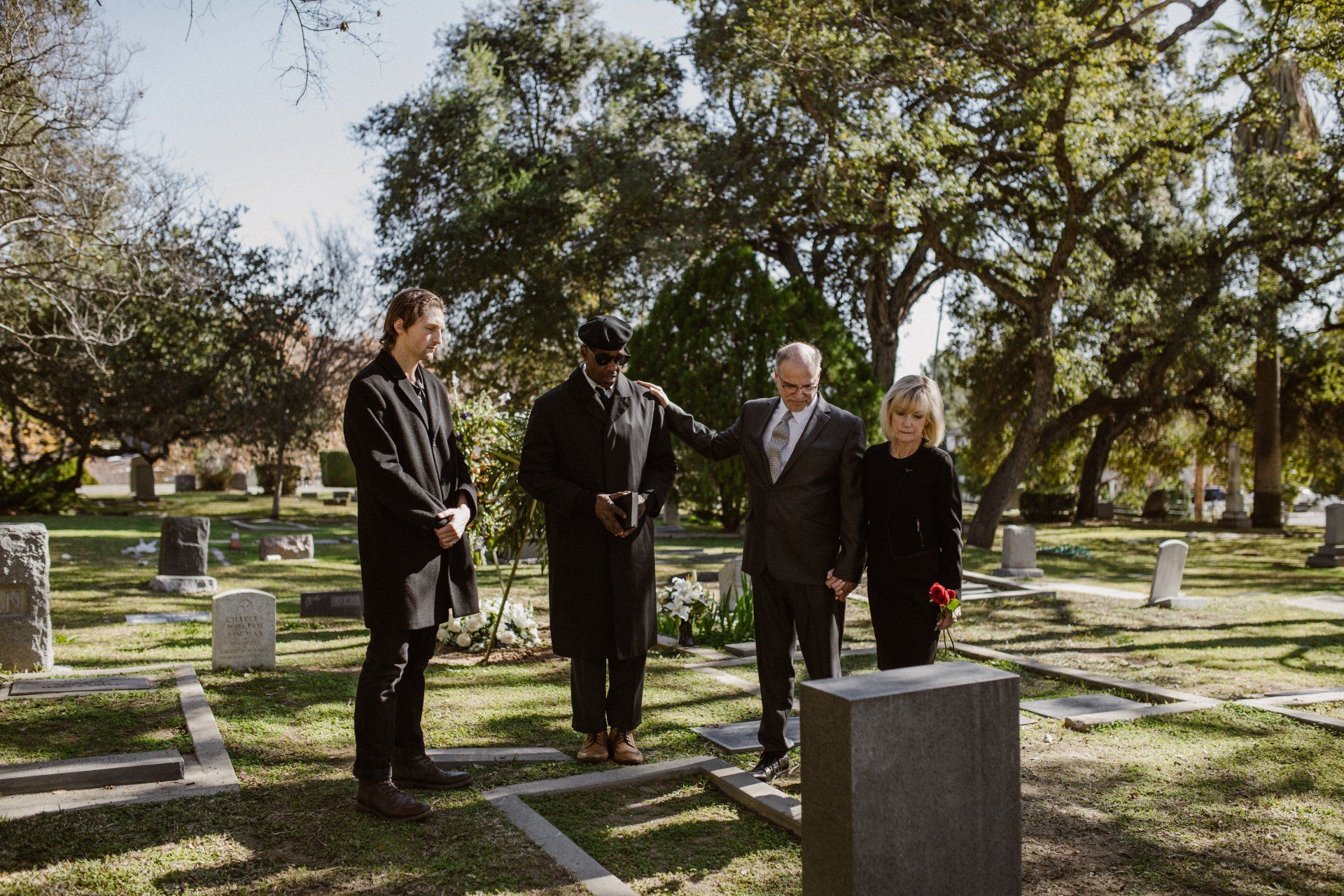
The first group of individuals who should be invited to a funeral is the immediate family of the deceased. This typically includes spouses, children, parents, and siblings. These individuals share the closest bonds with the departed and are most affected by the loss. They should be given the opportunity to pay their respects and say their final goodbyes.
Extended Family
Beyond the immediate family, it is common to invite extended family members. Grandparents, aunts, uncles, cousins, and other close relatives should be included on the guest list. The relationship with the deceased might vary, but offering them the chance to attend allows for a broader support network during this difficult time.
Close Friends and Acquaintances
Close friends of the deceased and their family should also be invited to the funeral. These individuals often share deep emotional connections and may have been a source of support during the deceased's life. Additionally, co-workers, neighbors, and acquaintances who were part of the deceased's social circle should be considered for inclusion.
Colleagues and Professional Contacts
If the deceased was actively working or had a significant professional life, it is appropriate to invite colleagues and professional contacts to the funeral. This can help celebrate the individual's accomplishments and allow for the closure of professional relationships.
Spiritual and Religious Community
For those who were actively involved in a religious or spiritual community, it is customary to invite members of that congregation. Clergy members, fellow worshippers, and spiritual leaders can provide guidance and comfort during the service. Their presence can also help facilitate any religious rituals or customs associated with the funeral.
Close Family Friends
Family friends who have shared a long history with the deceased and their family are often considered an important part of the support network. Their presence can be a source of solace during the funeral and offer additional emotional support to the grieving family.
Special Individuals
There may be specific individuals who held a special place in the heart of the deceased, such as mentors, godparents, or close family friends who have acted as surrogate parents. These individuals should be included as a mark of respect and recognition for their significant role in the deceased's life.
Caregivers and Healthcare Providers
In cases where the deceased had been under the care of healthcare providers or caregivers, it is thoughtful to extend an invitation. These individuals may have formed meaningful connections with the deceased and can offer valuable insights into their final days.
Those Who Played a Role in the Deceased's Interests
If the deceased had a particular hobby or interest group, members of that community can be invited to pay their respects. Whether it's a sports team, a book club, or any other shared interest, these connections can offer a unique perspective on the person's life.
How Many People Should You Invite to a Funeral?
Having more people at a funeral provides emotional support, validation of grief, and a broader sharing of memories, creating a sense of unity and collective mourning. It also highlights the deceased's impact on a larger community and fosters a meaningful tribute to their legacy. Conversely, a smaller gathering can offer a more intimate and private setting, allowing for deeper connections among attendees and a quieter, reflective atmosphere for mourning and remembrance.
Ultimately, when deciding between a large or small funeral gathering, it's important to consider what your loved one would have wanted.
Funeral Etiquette
In addition to considering your loved one's wishes, there are a few other details to consider when deciding who to invite. It's essential to consider the capacity of the funeral venue and the practicality of accommodating guests. It's also crucial to keep in mind any cultural or religious customs that may influence the guest list. While it's natural to want to invite as many people as possible, practical constraints may necessitate prioritizing certain individuals over others.
How to Find Contact Info for Invitees
Finding contact information for friends and acquaintances of a deceased relative can be a sensitive and sometimes challenging task. Start by reviewing the personal address book or contact list of the deceased, if available. You can also reach out to immediate family members and the deceased's closest friends who may have information about other acquaintances. Social media platforms like Facebook, LinkedIn, and Twitter can be valuable tools for finding contact information for friends and acquaintances, as well as email accounts if you are able to access them.
If none of these options are available to you, reach out to mutual friends who may have contact information for others in the deceased's social circle.
The process of deciding who should be invited to a funeral requires careful consideration of the deceased's relationships, social circles, and cultural norms. It is a delicate balance between honoring the departed and providing support to the grieving family. By including immediate family, close friends, extended family, and various other individuals who had meaningful connections with the deceased, a funeral can be a touching and meaningful tribute to a life well-lived. Ultimately, the goal is to create a space where people can come together to remember, mourn, and find solace in one another's company.
Want to Ask a Question?