Sending Flowers to a Funeral: A Thoughtful Gesture of Comfort
When it comes to expressing condolences and offering comfort to grieving families, few gestures are as universally understood and appreciated as sending flowers to a funeral. In this article, we will offer expert advice and guidance on how to select and send the perfect flowers to a funeral. Whether you're a family member, friend, or colleague, this guide will help you express your sympathy and support in a meaningful way.
The tradition of sending flowers to funerals dates back to ancient civilizations. In ancient Egypt, flowers were often used to adorn tombs and burial sites as offerings. In ancient Greece, flowers played a role in honoring the dead during both funeral ceremonies and as decorations for graves. During the Victorian era, flowers gained symbolic meanings, forming the "language of flowers." Modern practices involve tailored floral arrangements, with specific flowers and colors carrying sentiments of love, respect, and sympathy. This practice has transcended cultures and centuries, serving as a universal gesture of condolence and comfort for grieving families.
Flowers have long held a special place in our cultural lexicon, representing love, sympathy, and respect. When chosen thoughtfully, they become a visual embodiment of the emotions shared by those attending a funeral service. Here's a deeper look at the considerations involved:
Types of Funeral Flowers
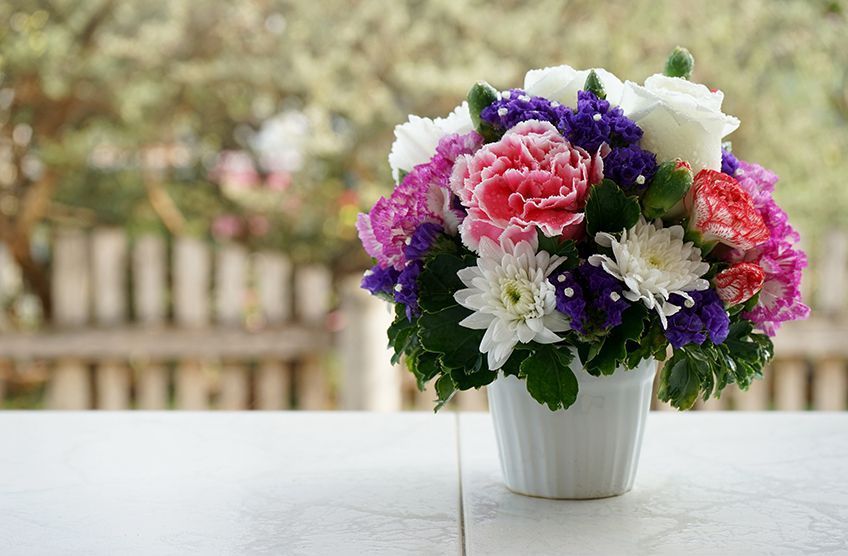
- Sympathy Bouquets: These traditional arrangements are a mixture of delicate blooms, thoughtfully arranged in vases or baskets. They serve as a heartfelt expression of condolences to the bereaved family.
- Wreaths: Circular wreaths symbolize the eternity of life and are often placed either on the casket itself or nearby during the service.
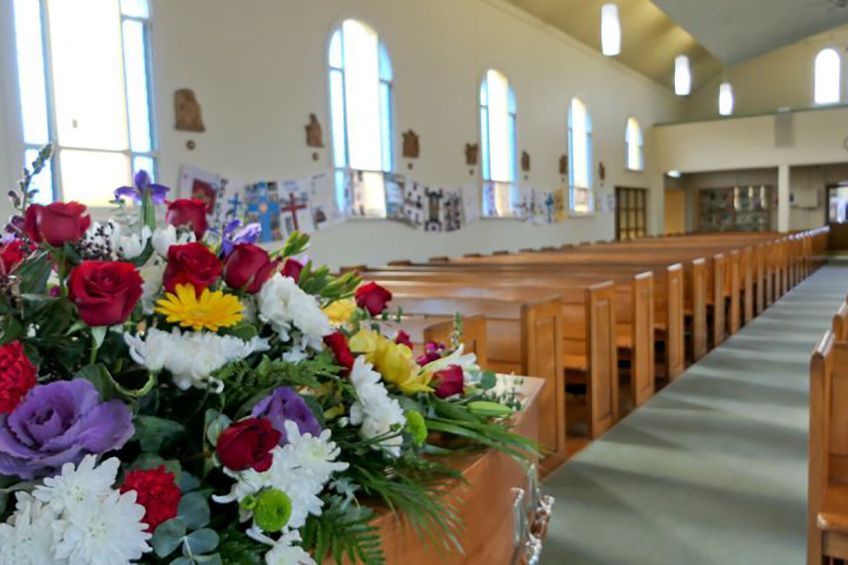
- Sprays: Larger floral displays, often known as sprays, can be gracefully draped over the casket or displayed on a stand. Typically chosen by close family members, they make a prominent tribute.
- Crosses and Hearts: For those with religious beliefs or specific preferences, these specialized arrangements can convey a deeper sense of meaning.
- Potted Plants: Some may opt for potted plants like lilies, peace lilies, or orchids as living memorials, offering lasting comfort to the grieving family.
The Language of Colors
The choice of flower colors carries its own significance, allowing you to tailor your tribute even further:
- White: Symbolizes purity and innocence, often associated with sympathy.
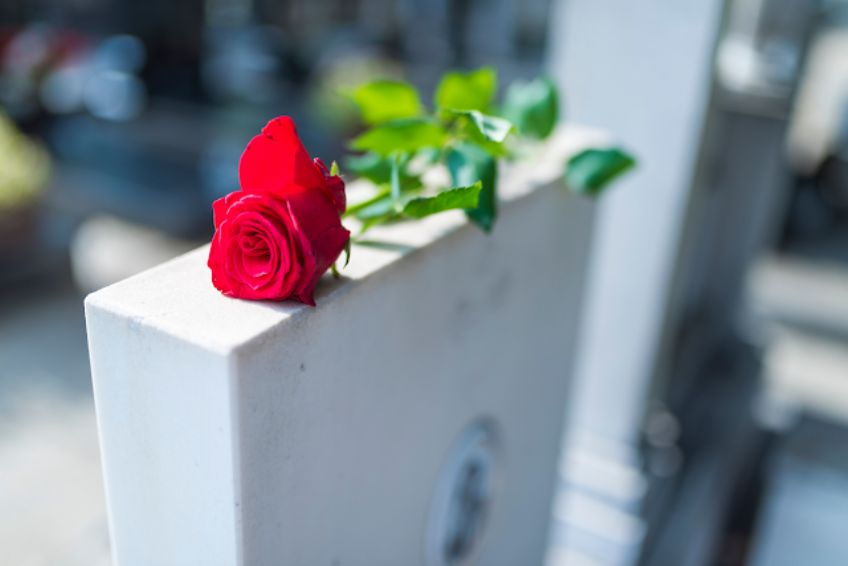
- Red: Conveys love and respect for the departed.
- Pink: Represents admiration and gratitude.
- Yellow: Signifies friendship and loyalty.
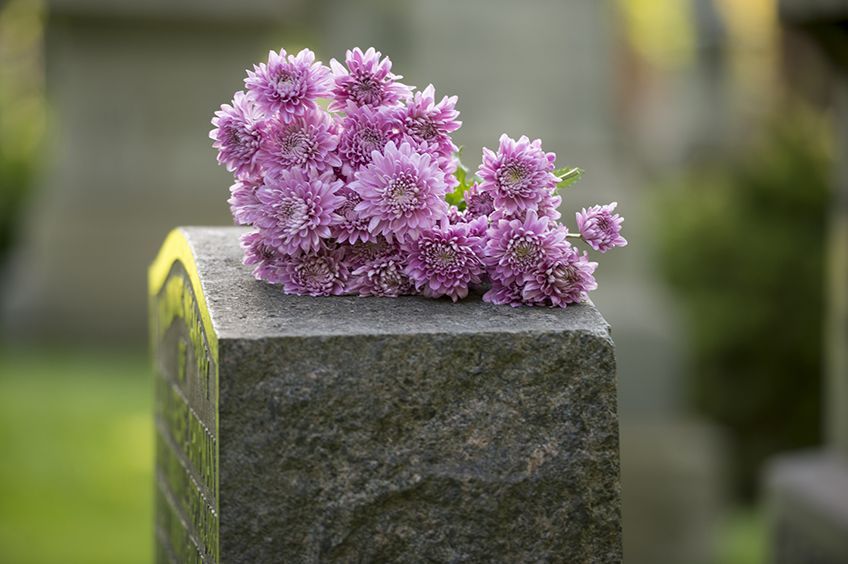
- Lavender/Purple: Expresses sympathy and grace.
Cultural Variations:
Different cultures have their own unique approaches to funeral flowers. For example, in some Asian cultures, white flowers like lilies and chrysanthemums are commonly used to symbolize mourning and purity. Mexican Dia de los Muertos (Day of the Dead) celebrations feature vibrant marigold flowers, which are believed to guide the spirits of the deceased back to the world of the living.
Personalization and Thoughtfulness
To make your floral tribute even more meaningful:
- Consider the deceased's favorite flowers or colors.
- Incorporate flowers that reflect their hobbies or interests.
- Include a personalized sympathy card with a heartfelt message to convey your condolences and support.
Ordering and Delivery
Timeliness is essential when sending funeral flowers. Ensure your arrangements reach the funeral home well in advance of the service. Provide accurate details of the funeral home and the service time to avoid any confusion. Collaborate with the funeral director or family members to guarantee proper placement.
Funeral Flower Etiquette
Understanding the etiquette associated with sending funeral flowers is crucial to ensure your gesture is respectful:
- Respect the family's wishes if they request charitable donations instead of flowers.
- Keep your message in the sympathy card brief and heartfelt.
- Avoid overwhelming the family with an excess of flowers.
- Different cultures and religions may have specific customs regarding funeral flowers; inquire if you are uncertain.
- Choose flowers in season for a more meaningful and eco-friendly gesture.
Consideration of Regulations
While there are no specific laws governing funeral flowers, it's essential to be aware of general regulations:
- Ensure floral arrangements do not obstruct views or impede the service.
- Respect guidelines about the use of biodegradable materials in floral arrangements at cemeteries and funeral homes.
- Choose flowers with scents that are not overpowering, as they may trigger allergies or sensitivities.
- Secure floral arrangements to prevent accidents, especially in outdoor or windy settings.
- Check with the funeral home for any specific policies regarding the placement and handling of floral tributes.
The act of sending flowers to a funeral is a time-honored tradition that transcends cultures and centuries. From ancient civilizations to the modern era, flowers have symbolized love, sympathy, and respect for the deceased. The thoughtful choice of flowers, their arrangement, and colors convey sentiments of condolences and support. This simple yet profound gesture continues to be a universal symbol of compassion and empathy.
Want to Ask a Question?