Grief: A Time to Heal - Loss of Parent or Grandparent from Suicide
Your parent or grandparent has died from suicide. As you struggle to accept this difficult loss, you may find yourself consumed by pain, fear, grief and intense guilt. Throughout this year we will send you biweekly grief newsletters. We hope these newsletters will help support you on your grief journey and help you to begin to process your grief.
Your parent or grandparent has died from suicide. As you struggle to accept this difficult loss, you may find yourself consumed by pain, fear, grief and intense guilt.
Grief is a natural response to losing someone who was important to you. Grief hurts, but it is necessary. When a death tears your world apart, grieving is the process that helps put it back together.
While grief is natural, it is also highly individual. How a person grieves depends on several factors. Your relationship with the person who died will certainly influence your grief, but so will your age, sex, religion, and previous experiences with death. The circumstances of death will also affect the intensity of your grief. In short, no one can tell you exactly how you will, or should, experience grief.
Reactions to Death
Certain reactions to the death of a loved one are quite common and you can expect to experience some of them. You may go into shock. You will likely even find yourself denying at first that the person has died. "You feel numb, you feel like a spectator watching what's going on," explains Dr. Earl Grollman, noted author of books on death, dying and bereavement. Grollman says this response is nature's way of protecting you, of insulating you from what is happening.
Trauma
Death by suicide is sudden, unexpected and possibly violent. In addition to all the normal feelings and emotions associated with grief and loss, you may also have to deal with possible feelings of PTSD (post-traumatic stress disorder) and anxiety brought on by the circumstances surrounding the death.
Anger
Another immediate reaction to a death is anger. You may feel anger toward the doctors or nurses who couldn't save your loved one, toward the funeral director and toward God. You may even feel anger toward your parent or grandparent for leaving you. Unfortunately, most of us were taught as children that anger is something to be avoided; you may therefore feel guilty when your anger will not go away.
Guilt
Survivors of suicide (those who are left behind to mourn the loss) typically feel intense guilt. It is common for survivors to believe they somehow should have prevented the death. There may be a tendency to dwell on an argument you had with your parent or grandparent or any number of other events you think may have contributed to their death. However, research shows that there is not just one single factor that leads someone to dies by suicide, typically it is a combination of things ranging from health issues (mental or physical) to going through big life changes. And even though you may look back and see warning signs, it’s important to know that even mental health experts have difficulty identifying the warning signs. Most importantly, though, remember that you are not at fault, even if you feel like you should have known.
Depression
As the reality of a death sinks in, it is common for the bereaved to slip into depression. Even if you are normally a committed, caring person, you could find that you don't care about anything or anyone.
You may also feel helpless and childlike. When you lose someone close, you also experience "secondary losses" that accrue because of the death. When you lose a parent or grandparent, you lose out on the experiences you would have had together. You may find you have new responsibilities. These secondary losses can leave you feeling confused and panicky. For this reason, you should avoid making any major decisions. Try to postpone them until you can think more clearly and have a better idea of how your life is going to change.
Preoccupation
Another common reaction among grievers is preoccupation with the person who died. You may think about him or her constantly, re-create the circumstances of the death over and over in your mind, have dreams or nightmares about the person-you may even think you see or hear the deceased. Many people are surprised and frightened by the intensity of these reactions, but it's important to realize that, bizarre as they may seem, these reactions are normal.
The mental strain of grief can take a physical toll as well. It's not unusual for the bereaved to lose weight, have trouble sleeping, become irritable or listless, or feel short of breath.
Shame and Isolation
Unfortunately, there is a lot of stigma surrounding suicide. You may feel ashamed to talk about what happened. It can be extremely hard to find a trusted person to talk to and you may start to feel isolated. Know, however, that talking about your feelings is a very important part of the healing process. If you can’t talk to friends or family, find a doctor, counselor, therapist or religious leader to speak with about your feelings.
Coping with Grief
How can you overcome the problems of grief? You must first recognize that grief is necessary, and that it is something you must work through. As Grollman says, there is no shortcut through grief.
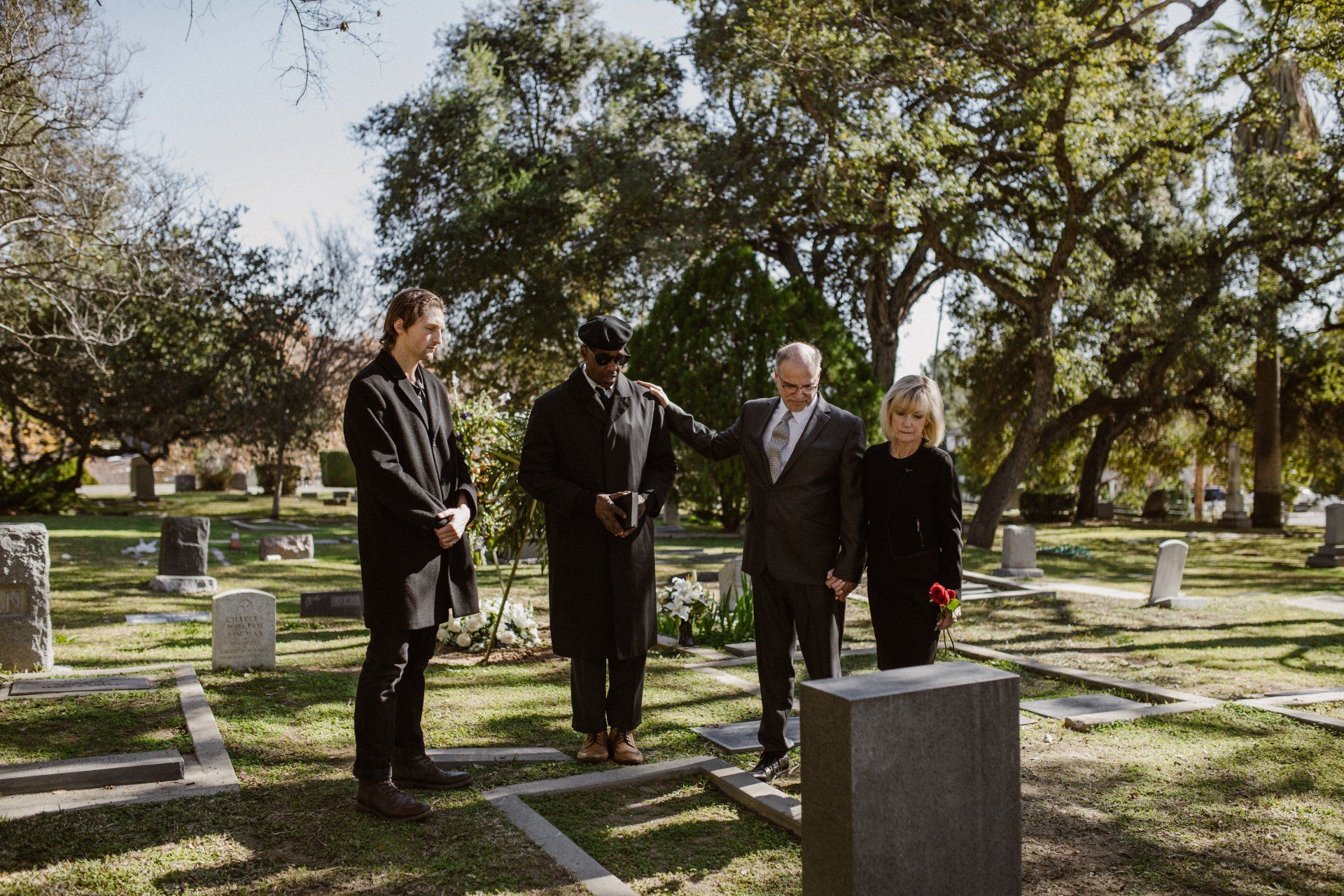
One of the best ways to begin working through grief is to attend the funeral. A funeral confirms the reality of death and serves as a focus for expressing feelings of loss. Funerals also stimulate mourners to begin talking about the deceased, one of the first steps toward accepting the death.
Both before and after the funeral, it is important that you express your feelings. Take time to cry and don't be afraid to share your tears with other mourners. Talk openly with family members and friends. Don't try to "protect" other family members by hiding your sadness: it helps them as much as it does you. Express your anger if you are feeling it. This is the time to lean on friends. They will likely feel awkward for a while because they don't know how to talk to you about your loss. But you can help them help you by simply telling them what you need.
Join a Support Group
Research shows that suicide survivors benefit from counseling and support groups. It can be helpful to talk to others who are going through the same thing you are. If you can’t attend an in-person session, online options are becoming more readily available. Don’t feel like you need to find a support group right away, but when you are ready for support, reach out.
Survivors are also at increased risk for thinking about, planning or attempting suicide. If you have these thoughts, they are normal. This doesn’t mean you will act on them. But, if these thoughts and feelings are persistent or get more intense, speak to a trusted friend and make sure to seek help from a professional.
Lighten Your Schedule
If you normally have a pressing schedule, try to lighten it. Remember, grief is mentally stressful; you don't need the added strain of too much work to do. Set aside some quiet times for yourself, so you can think about the death and your feelings and put things in perspective.
Take Care of Yourself
Remember to watch your health. With grief taking a toll on you physically, you need to eat well and get enough sleep. Try to exercise as well. Physical activity can often help offset depression and provide an outlet for your emotional energy.
Know that Time Heals
Finally, remember that as time goes on, your grief will diminish. Even though you may not feel like you will survive this, you can. This does not mean you will forget your parent or grandparent; it means you accept the death. But he or she will still be part of your life. Even though your relationship with your parent or grandparent has changed forever, its existence and your feelings live on forever.
Throughout this year we will send you biweekly grief newsletters. We hope these newsletters will help support you on your grief journey and help you to begin to process your grief.
If at any time you have questions or need some help, do not hesitate to reach out to our funeral home. We will be happy to help connect you with resources you may need.
If you ever need immediate help, you can call the National Suicide Prevention Hotline at 1-800-273-8255 for free and confidential support 24/7.
Want to Ask a Question?