Guiding the Final Salute: The Essential Role of Funeral Directors in Military Honors
Funeral directors hold a crucial role in orchestrating a solemn and dignified farewell for military veterans. In this article, we delve into the pivotal role these compassionate professionals play in coordinating and conducting military honors. From meticulous planning to offering emotional support, funeral directors ensure that veterans receive the tribute they rightfully deserve for their dedicated service to our nation.
The Importance of Military Honors:
Military honors are a solemn and meaningful way to pay tribute to veterans who have passed away. These honors serve as a way to show gratitude for their service, dedication, and the sacrifices they made to protect our nation. The presence of these honors at a funeral provides comfort and closure to grieving families, recognizing the deceased's commitment to their country.
Coordination and Planning:
One of the essential roles of a funeral director is to coordinate and plan every aspect of a funeral service, including military honors - this involves liaising with various parties, such as the deceased veteran's family, the military, and other service providers. Here's a breakdown of the funeral director's responsibilities:
- Family Consultation: The funeral director will begin by meeting with the deceased veteran's family. During this consultation, they listen carefully to the family's wishes and preferences for the funeral service. Understanding the family's desires is crucial in ensuring the service is a meaningful and personalized tribute.
- Contacting the Military: Funeral directors must contact the appropriate military branch to arrange for the necessary honors. This may involve contacting the local Veterans Affairs office or the military unit to which the deceased veteran belonged.
- Coordinating Logistics: The funeral director will coordinate the logistics required for the military honors. This includes arranging for the presence of a uniformed honor guard, bugler, and flag-folding ceremony, among other elements. They ensure that all aspects of the honors are executed seamlessly.
Legal and Regulatory Compliance:
Each state in the United States has specific regulations governing funeral services, and military honors are no exception. Funeral directors must ensure compliance with these regulations, including permits, documentation, and coordination with military authorities.
Conducting Military Honors:
The actual execution of military honors is a precise process. Funeral directors play a central role in ensuring these honors are carried out with the utmost dignity and respect. Here is a step-by-step overview of the process:
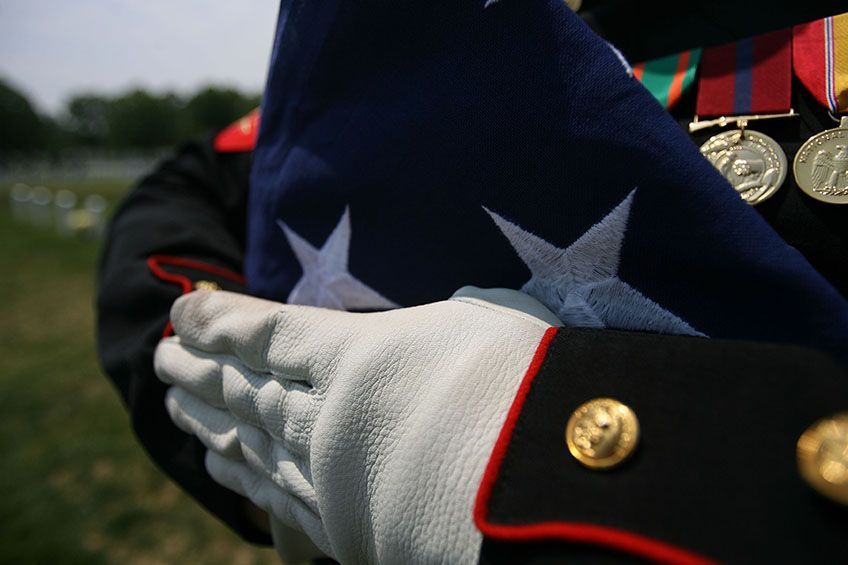
- Flag Presentation: One of the most iconic aspects of military honors is the presentation of the American flag to the deceased veteran's family. The funeral director works closely with the honor guard to ensure this moment is conducted gracefully and precisely. The flag is typically presented with a heartfelt expression of gratitude for the veteran's service.
- Rifle Salute: A traditional part of military honors is the rifle salute, often performed by a firing party. The funeral director makes sure that the firing party is organized and that the rifle salute is executed according to military protocol.
- Taps: The bugler plays the hauntingly beautiful "Taps" melody, a poignant and emotional tribute to the deceased veteran.
- Flag Folding: The honor guard meticulously folds the flag, symbolizing the respect and honor bestowed upon the veteran.
- Presentation of Flag: After the flag is folded, the funeral director ensures that it is presented to the family in a solemn and respectful manner. This presentation often includes a few words of gratitude and comfort for the family.
Counseling and Support:
Beyond the logistical and ceremonial aspects, funeral directors also provide emotional support and guidance to grieving families. As experienced professionals with years of experience supporting families through difficult times, funeral directors understand the deep grief and loss that families experience, especially when a loved one who served in the military has passed away. They take the time to listen to concerns, offer comforting advice, and provide a compassionate presence throughout the funeral service.
Customization and Personalization:
Every veteran is unique, and their funeral service should reflect their individuality. Funeral directors work closely with the family to personalize the service according to the veteran's wishes and the family's preferences. This might include incorporating specific military insignia, photographs, or personal anecdotes celebrating the veteran's life and service.
The role of a funeral director in performing military honors is a multifaceted and deeply meaningful responsibility. It involves meticulous planning, coordination with military authorities, compliance with legal and regulatory requirements, and the execution of a solemn and respectful ceremony. Military honors serve as a powerful reminder of the sacrifices made by our veterans, and it is an honor to play a part in recognizing their service in such a meaningful way.
Want to Ask a Question?